
Hati rasa kosong
Something is missing, tapi tak tahu apa. Rasa sunyi, resah dan gelisah sentiasa. Namun, masih tak jumpa jawapannya.
Jika anda sampai ke laman ini kerana mencari kelas mengaji online untuk orang dewasa, kami ucapkan tahniah! Anda telah sampai ke tempat yang betul.
Kelas Mengaji Online Ini Khas Untuk Orang Dewasa Yang Lidah Keras, Baca Merangkak & Hukum Tajwid Ke 'Laut'
Dalam mencari ilmu dengan hadir kelas belajar mengaji Al Quran walaupun secara online, kenapa mesti malu? Kami di Jom Al Quran Academy faham, anda mahu memperbaiki bacaan Al Quran. Anda mahu bertaubat. Anda mahu jadi baik. Cuma bimbang akan dikecam masyarakat “Dah tua-tua pun tak pandai baca Quran?” Jika dalam hati anda pernah terdetik sebegitu, izinkan kami bantu.
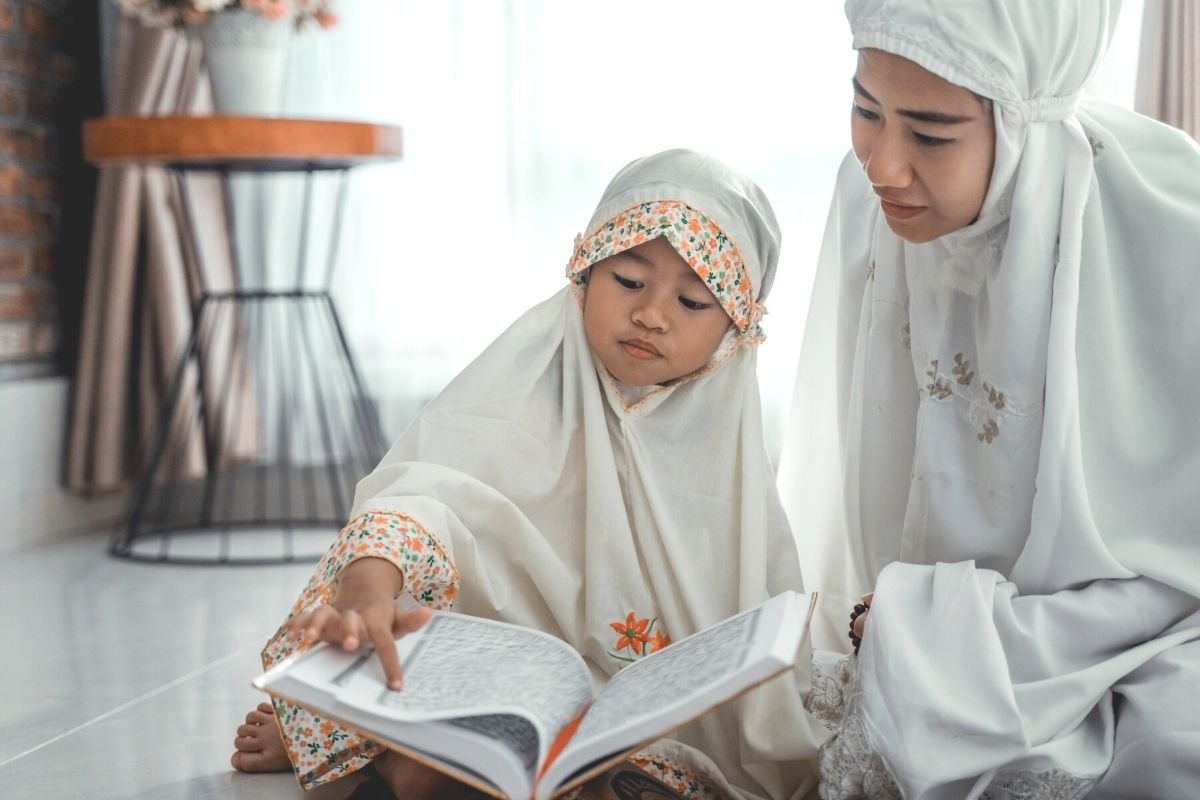
Something is missing, tapi tak tahu apa. Rasa sunyi, resah dan gelisah sentiasa. Namun, masih tak jumpa jawapannya.
Bukan tak pernah belajar, tapi malu sangat bila ustaz dan ustazah tegur dan betulkan kesilapan bacaan. Memang frust bila dah belajar, tapi masih salah baca. Gementar bila tiba giliran untuk baca.
Malu nak mengaku, tapi itulah hakikatnya. Alif, ba, ta pun tak tahu. Budak-budak tadika dan sekolah rendah mungkin lebih berilmu.
Bukan setakat tak kenal huruf, malahan tak tahu sebut dengan sebutan yang betul. Lidah pun sudah jadi keras sebab dah lama sangat tinggalkan Al Quran.
Niat di hati memang nak belajar, tapi itulah. Cuma pandai baca Al Quran yang ada tulisan rumi sahaja.
Bila tak kenal huruf, tak kenal sifat, maka tak boleh baca dengan lancar. Maka, akan baca merangkak-rangkak. Malu sangat kalau kena ejek dengan budak-budak yang lebih lancar.
Asyik keliru dengan tanda alif kecil yang perlu baca pendek dan tanda pedang yang perlu baca panjang. Selalu sangat kena tegur. Dah betulkan, masih lagi salah.
Baca main hentam keromo ikut suka hati sebab memang tak tahu hukum dan bila perlu berhenti. Bila main langgar sahaja, takut berdosa pula.
Takkanlah nak buka app di telefon. Takkanlah nak buka YouTube atau Spotify dan on speaker. Ini adalah penghormatan terakhir.
Kalau ada majlis dan kenduri keluarga, anda tak akan rasa segan silu untuk tampil ke hadapan. Baca pun laju, tak gagap lagi.
Alangkah indahnya bila suami rasa confident untuk jadi imam solat kepada anak-anak dan isteri. Tentu berbunga hati isteri bila dapat berimamkan suami sendiri.
Jika meninggal nanti, semoga apa yang kita ajar pada anak-anak akan jadi pencen kubur kita. Sejuk hati bila dengar anak-anak lancar baca Al Quran hasil didikan kita.
Tahniah sekali lagi, Allah telah jentik hati anda untuk ke sini. Allah telah menggerakkan hati anda untuk solat 5 waktu dengan sempurna dan mula bersedekah. Kini anda pula sudah mendapat hidayah untuk mempelajari Al Quran.
Benar, kita semua berdosa dan pernah mensia-siakan hidup semasa muda. Tak perlu salahkan keluarga. Kita sebenarnya yang leka. Semoga dengan masuk kelas mengaji online ini, dapat kenal ilmu agama dan lebih sayang Nabi Muhammad s.a.w. Jangan pernah rasa kosong dan jahil. Allah itu Maha Pengampun lagi Maha Mengasihani.
Belajar Al Quran dari basic. "From Zero to Hero" dalam masa 12 bulan.
Setiap pelajar, keupayaannya tak sama. Ada yang cepat tangkap, ada yang slow. Maka, maksud personalized learning di sini ialah guru akan mengajar ikut pace pelajar itu sendiri. Ikut tahap keboleh-upayaan pelajar itu sendiri.
Sudah tentu, bila menggunakan konsep personalized learning, kelas akan menjadi seperti private tuition. Kelas adalah secara one-to-one antara pelajar dan guru. Lebih kurang sama dengan personal coaching. Jadi, kalau ada tersalah baca, tak akan ada orang yang akan ketawakan kita.
Siang kerja, hanya free waktu malam? Tak ada masalah. Sibuk bekerja dan hanya free pada hujung minggu? Tak ada masalah. Anda boleh tentukan masa sendiri dengan guru.
Kadang-kadang, kita tak suka orang lain masuk campur dan ambil tahu hal kita. Lebih-lebih lagi bila baru nak berjinak-jinak semula dengan agama. Jadi, belajar secara personal begini akan memberikan keselesaan yang lebih.
Bukan setakat privasi, malahan anda akan dapat 100% perhatian dari guru. Semua ilmu dari guru akan dicurahkan sepenuhnya pada anda, tak akan berbelah bagi.
Kelas percubaan atau trial class kami adalah percuma. Free sahaja, tak perlu bayar apa-apa. Ambil peluang untuk kenal-kenal dengan guru terlebih dahulu. Dapatkan feel, kalau setuju, baru join.
Alhamdulillah, kami juga mendapat sokongan Jabatan Agama Islam Selangor (JAIS) untuk berkolaborasi dengan pemegang tauliah mengajar Al-Quran di negeri Selangor untuk menjalankan program ini. Ini menunjukkan kami bukan scammer dan kami bukan main-main. Kami serius untuk memberikan perkhidmatan pengajaran dan pembelajaran Al Quran secara online.
Daftar Sekarang
Kami buat kelas mengaji Al Quran ini kerana masa kecil, kami belajar Al Quran main-main. Masa arwah ayah ajar dulu, pandai-pandai skip beberapa mukasurat dengan harapan boleh khatam cepat. Rupa-rupanya, perangai buruk itu memakan diri sendiri. Banyak ayat dan hukum-hukum tajwid yang terlepas. Banyak ayat yang tak tahu baca dengan betul.
Masa muda pula, banyak masa dihabiskan dengan kerja, kerja dan kerja. AlQuran yang ada cuma dijadikan perhiasan. Sehinggakan bila mula mahu dekatkan diri semula dengan Islam, tegagap-gagap baca. Padahal masa kecil dulu cukup lancar baca. Bila sudah tua, rasa menyesal itu tiba. Itu kisah kami, tidak tahu pula anda bagaimana.
Kalau ditanya kenapa kami buat kelas belajar mengaji online ini, jawapannya cukup mudah. Kami tidak mahu orang lain melalui kisah seperti kami. Kami tidak mahu anda menyesal seperti kami. Allah telah gerakkan hati anda untuk masuk kelas belajar mengaji Al Quran. Anda sebenarnya berada di jalan yang betul sekarang.
Percayalah, rasa seperti macam mensia-siakan usia muda itu biasa. Bila niat sudah ada, teruskan. Jangan tangguh-tangguh. Izinkan kami cuba sedaya upaya untuk bantu anda dekatkan lagi diri dengan kitab suci Al Quran ini.
Pertama sekali, kami perlu tahu tahap penguasaan Al Quran anda dahulu. Semasa sesi preview nanti, tenaga pengajar kami akan mendengar dahulu bacaaan anda. Ada kalanya, mereka akan minta anda perdengarkan bacaan Surah Al Fatihah.
Selepas itu, barulah boleh dikategorikan di tahap mana.
Contohnya:
Sekiranya anda memang sudah mahir dalam membaca Al Quran dan mahu belajar peringkat lanjutan atau advance, boleh sahaja maklumkan kepada kami.
Kami juga ada menyediakan pembelajaran untuk:
Sebelum ini, memang nampak macam pelik bila ambil kelas mengaji online. Namun, dalam tempoh PKP akibat wabak pandemik Coronavirus COVID-19, ia sudah menjadi biasa iaitu new normal. Ramai yang semakin selesa untuk belajar secara atas talian.
Buat masa ini, kami hanya menawarkan kelas mengaji secara online sahaja. Ini bermakna, kami tidak dapat memenuhi kelas persendirian atau personal di rumah.
Untuk kelas mengaji Al Quran dewasa ini, ia adalah khusus untuk individu. Kami cadangkan umur bermula dari 18 tahun ke atas. Pembelajaran adalah secara persendirian, private atau personal one-to-one.
Bagi yang lebih suka privasi, pasti suka sebegini.
Walau bagaimanapun, jika ada permintaan untuk belajar satu keluarga ia juga boleh diuruskan. Namun, seperti yang dinyatakan tadi, tenaga pengajar akan datang ke rumah dan mengajar satu keluarga dalam masa yang sama. Proses pengajaran dan pembelajaran adalah 100% online.
Sejujurnya, kelas untuk kanak-kanak dan remaja sudah banyak. Kami tidak mahu ke arah itu. Tapi, kalau mahu juga, boleh rujuk kelas mengaji kanak kanak online.
Di sini, kami hanya ingin fokuskan kepada golongan dewasa yang mempunyai kriteria berikut:
Walaupun kelas dijalankan secara atas talian, kami tetap perlu berurusan dengan ramai tenaga pengajar di seluruh negara. Berikut adalah antara lokasi guru-guru dan lokasi yang kami cover untuk anda belajar mengaji Al Quran dewasa secara online.
Subang Jaya, Shah Alam, Petaling Jaya, Gombak, Bangi, Serdang, Ampang, Klang, Puchong, Banting, Batu Caves, Cyberjaya, Damansara, Hulu Langat, Hulu Selangor, Kajang, Kuala Selangor, Rawang, Sabak Bernam, Selayang, Sungai Buloh Alam Impian, Aman Perdana, Ambang Botanic, Ara Damansara, Balakong, Bandar Botanic, Bandar Bukit Raja, Bandar Bukit Tinggi, Bandar Kinrara, Bandar Puteri, Bandar Puteri Klang, Bandar Puteri Puchong, Bandar Saujana Putra, Bandar Sungai Long, Bandar Sunway, Bandar Utama, Batang Berjuntai, Bestari Jaya, Batang Kali, Batu Arang, Beranang, Bukit Antarabangsa, Bukit Beruntung, Bukit Jelutong, Bukit Rahman Putra, Bukit Rotan, Bukit Subang, Cheras, Country Heights, Damansara Damai, Damansara Intan, Damansara Jaya, Damansara Kim, Damansara Perdana, Damansara Utama, Denai Alam, Dengkil, Glenmarie, Jenjarom, Kapar, Kayu Ara, Kelana Jaya, Kerling, Klang, Kota Damansara, Kota Emerald, Kota Kemuning, Kuala Kubu Baru, Kuala Langat, Kuang, Mutiara Damansara, Port Klang, Puchong South, Pulau Indah, Pulau Lumut, Pulau Carey, Pulau Ketam, Puncak Alam, Puncak Jalil, Putra Heights, Rasa, Salak Tinggi, Saujana, Saujana Utama, Sekinchan, Semenyih, Sepang, Serendah, Seri Kembangan, Setia Alam, Setia Eco Park, SierraMas, SS2, Subang Bestari, Subang Heights, Sungai Ayer Tawar, Sungai Besar, Sungai Pelek, TTDI Jaya, Tanjong Karang, Tanjong Sepat, Telok Panglima Garang, Tropicana, Ulu Klang, USJ, USJ Heights, Valencia
Wilayah Persekutuan Kuala Lumpur KL, Bangsar, Damansara, TTDI, Sri Hartamas, Mont Kiara Bukit Tunku, Keramat, Wangsa Maju, Setiawangsa, Setapak, Gombak, Jalan Klang Lama, Cheras, Kepong, Keramat Ampang Hilir, Bandar Damai Perdana, Bandar Menjalara, Bandar Tasik Selatan, Bangsar South, Batu, Brickfields, Bukit Bintang, Bukit Jalil, Bukit Ledang, Bukit Persekutuan, Bukit Tunku, Cheras, Country Heights, Damansara Heights, Desa Pandan, Desa ParkCity, Desa Petaling, Jalan Ampang, Jalan Ipoh, Jalan Sultan Ismail, Jinjang, Kenny Hills, KLCC, KL Sentral, Kuchai Lama, Mid Valley, Old Klang Road, OUG, Pandah Indah, Pandan Jaya, Pandan Perdana, Pantai, Pekan Batu, Puchong, Salak Selatan, Segambut, Sentul, Seputeh, Serdang, Setia Eco Park, Solaris Dutamas, Sri Damansara, Sri Petaling, Sungai Besi, Sungai Penchala, Taman Desa, Taman Duta, Taman Melawati, Taman Tun Dr Ismail (TTDI), Technology Park Malaysia (TPM), Titiwangsa
Putrajaya Presint 1, Presint 2, Presint 3, Presint 4, Presint 5, Presint 6, Presint 7, Presint 8, Presint 9, Presint 10, Presint 11, Presint 12, Presint 13, Presint 14, Presint 15, Presint 16, Presint 17, Presint 18, Presint 19, Presint 20
Johor Bahru, Kulai, Pontian, Kluang, Kota Tinggi, Mersing, Muar, Batu Pahat, Segamat Ayer Baloi, Ayer Hitam, Bakri, Batu Anam, Bekok, Benut, Bukit Gambir, Bukit Pasir, Chaah, Endau, Gelang Patah, Gerisek, Gugusan Felda Taib Andak, Jementah, Kahang, Kampung Kenangan Tun Dr Ismail, Kukup, Labis, Layang Layang, Masai, Mersing, Nusajaya, Pagoh, Paloh, Panchor, Parit Jawa, Parit Raja, Parit Sulong, Pasir Gudang, Pekan Nanas, Pengerang, Permas Jaya, Plentong, Rengam, Rengit, Semerah, Senai, Senggarang, Senibong, Seri Gading, Setia Indah, Setia Tropika, Simpang Renggam, Skudai, Sungai Mati, Tampoi, Tangkak, Ulu Tiram, Yong Peng
Melaka, Alor Gajah, Ayer Keroh, Bandar Hilir, Batu Berendam, Jasin, Merlimau Asahan, Bemban, Bukit Beruang, Durian Tunggal, Kuala Linggi, Kuala Sungai Baru, Lubok China, Masjid Tanah, Melaka Tengah, Selandar, Sungai Rambai, Sungai Udang, Tanjong Kling, Ujong Pasir
Bahau, Gemas, Jelebu, Jempol, Kuala Pilah, Nilai, Port Dickson, Rembau, Seremban, Senawang, Tampin Bandar Baru Serting, Batang Melaka, Batu Kikir, Gemencheh, Johol, Juasseh, Kota, Kuala Klawang, Labu, Lenggeng, Linggi, Mantin, Pasir Panjang, Pedas, Rantau, Rompin, Siliau, Simpang Durian, Simpang Pertang, Sri Menanti, Si Rusa, Tanjong Ipoh
Ipoh, Tapah, Bagan Datoh, Grik, Bruas, Gopeng, Kuala Kangsar, Taiping, Tanjung Malim, Teuk Intan Ayer Tawar, Bagan Serai, Batu Gajah, Batu Kurau, Behrang Stesen, Beruas, Bidor, Bota, Changkat Jering, Changkat Keruing, Chemor, Chenderiang, Chenderong Balai, Chikus, Enggor, Gerik, Hutan Melintang, Intan, Jeram, Kampar, Kampong Gajah, Kampong Kepayang, Kamunting, Kuala Kurau, Kuala Sepetang, Lahat, Lambor Kanan, Langkap, Lenggong, Lumut, Malim Nawar, Mambang Diawan, Manong, Matang, Menglembu, Padang Rengan, Pangkor, Pantai Remit, Parit, Parit Buntar, Pengkalan Hulu, Pusing, Rantau Panjang, Sauk, Selama, Selekoh, Selinsing, Semanggol, Seri Manjong, Simpang, Sitiawan, Slim River, Sungai Siput, Sungai Sumun, Sungkai, Tanjoing Piandang, Tanjong Rambutan, Tanjong Tualang, Temoh, TLDM Lumut, Trolak, Trong, Ulu Bernam, Ulu Kinta
Alor Setar, Sungai Petani, Gurun, Jitra, Kepala Batas, Kulim, Langkawi Ayer Hitam, Baling, Bandar Baharu, Bedong, Bukit Kayu Hitam, Changloon, Guar Chempedak, Karangan, Kodiang, Kota Sarang Semut, Kuala Kedah, Kuala Ketil, Kuala Muda, Kuala Nerang, Kubang Pasu, Kupang, Langgar, Lanas, Merbok, Padang Serai, Padang Terap, Pendang, Pokok Sena, Pulau Langkawi, Serdang, Sik, Simpang Empat, Universiti Utara Malaysia (UUM), Yan
Penang, Georgetown Bayan Lepas, Bukit Mertajam, Butterworth, Kepala Batas, Nibong Tebal, Prai, Permatang Pauh Air Tawar, Alma, Ayer Hitam, Bagan Ajam, Bagan Jermal, Bagan Lalang, Balik Pulau, Bandar Perda, Batu Feringghi, Batu Kawan, Batu Maung, Batu Uban, Bayan Baru, Berapit, Bertam, Bukit Dumbar, Bukit Jambul, Bukit Minyak, Bukit Tambun, Bukit Tengah, Gelugor, Gertak Sanggul, Greenlane, Jawi, Jelutong, Juru, Kubang Semang, Mak Mandin, Minden Heights, Pauh Jaya, Paya Terubong, Penaga, Penang Hill, Penanti, Perai, Permatang Kuching, Permatang Tinggi, Persiaran Gurney, Pulau Betong, Pulau Tikus, Raja Uda, Relau, Scotland, Seberang Jaya, Seberang Perai, Simpang Ampat, Sungai Ara, Sungai Bakap, Sungai Dua, Sungai Jawi, Sungai Nibong, Sungai Pinang, Tanjung Tokong, Tanjung Bungah, Tasek Gelugor, Teluk Bahang, Teluk Kumbar, Universiti Sains Malaysia (USM), Valdor
Kangar, Arau Kaki Bukit, Kuala Perlis, Padang Besar, Pauh, Simpang Ampat
Kota Bharu, Gua Musang, Jeli, Machang, Pasir Mas, Pasir Puteh, Tanah Merah, Tumpat Ayer Lanas, Bachok, Cherang Ruku, Dabong, Kem Desa Pahlawan, Ketereh, Kuala Balah, Kok Lanas, Kuala Krai, Melor, Pulai Chondong, Rantau Panjang, Selising, Tawang, Temangan, Wakaf Baru
Kuala Terengganu, Besut, Dungun, Kemaman Hulu Terengganu, Marang, Setiu
Kuantan, Kuala Lipis, Temerloh, Bentong, Cameron Highlands, Genting Highlands, Maran, Jerantut, Rompin, Mentakab, Pekan, Raub Balok, Bandar Pusat Jengka, Bandar Tun Abdul Razak, Benta, Bera, Brinchang, Bukit Fraser, Chenor, Damak, Dong, Karak, Kuala Rompin, Lanchang, Lurah Bilut, Mengkarak, Muadzam Shah, Padang Tengku, Ringlet, Sega, Sungai Koyan, Sungai Lembing, Sungai Ruan, Tanah Rata, Triang
Kota Kinabalu, Keningau, Kudat, Lahad Datu, Sandakan, Semporna, Tawau Beaufort, Beluran, Bongawan, Kota Belud, Kota Kinabatangan, Kota Marudu, Kunak, Likas, Membakut, Menumbok, Nabawan, Pamol, Papar, Penampang, Pitas, Putatan, Ranau, Sipitang, Tambunan, Tamparuli, Tenom, Tuaran
Kuching, Miri, Bintulu, Kapit, Kota Samarahan, Sarikei, Sibu, Sri Aman Asajaya, Balingian, Baram, Bau, Bekenu, Belaga, Belawai, Betong, Bintangor, Dalat, Daro, Debak, Engkilili, Julau, Kabong, Kanowit, Lawas, Limbang, Lingga, Long Lama, Lubok Antu, Lundu, Lutong, Maradong, Marudi, Matu, Mukah, Nanga Medamit, Niah, Pusa, Roban, Saratok, Sebauh, Sebuyau, Serian, Simunjan, Song, Spaoh, Sandar, Tanjung Kudurong, Tatau
Labuan Batu Arang, Batu Manikar, Bebuloh, Belukut, Bukit Kalam, Bukit Kuda, Durian Tunjung, Ganggarak, Merinding, Gersik, Saguking, Jawa, Parit, Kilan, Kilan Pulau Akar, Lajau, Layang-Layangan, Lubok Temiang, Nagalang, Kerupang, Pantai, Patau-Patau 1, Patau-Patau 2, Pohon Batu, Rancha-Rancha, Sungai Bedaun, Sungai Bangat, Sungai Buton, Sungai Keling, Sungai Lada, Sungai Labu, Sungai Miri, Pagar, Tanjung Aru
Denga adanya teknologi dan software seperti Zoom dan Google Meet, pengajaran dan pembelajaran Al Quran tidak terbatas di Malaysia sahaja.
Kami juga berurusan dengan ramai tenaga pengajar yang berada di Malaysia, tetapi boleh menyesuaikan zon waktu untuk bersama-sama dengan pelajar.
Berikut adalah antara lokasi popular bagi tujuan belajar mengaji Al Quran dewasa di luar negara.
Aljunied, Geylang, Ayer Rajah, Balestier, Bartley, Bishan, Marymount, Sin Ming, Bukit Timah, Kallang, Bendemeer, Geylang Bahru, Kallang Bahru, Kallang Basin, Kolam Ayer, Paya Lebar, Eunos, Bras Basah, Tanjong Pagar, Telok Blangah, Bukit Chandu, Bukit Purmei, Tiong Bahru, Bukit Ho Swee, Bukit Merah Toa Payoh, Bedok, Changi, Joo Chiat, Katong, Kembangan, Pasir Ris, Elias, Lorong Halus, Loyang, Siglap, Tampines, Simei, Ubi, Kranji, Lentor, Lim Chu Kang, Sungei Gedong, Sembawag, Simpang, Sungei Kadut, Woodlands, Marsiling, Yishun, Ang Mo Kio, Kebun Baru, Teck Ghee, Bidadari, Hougang, Punggol, Seletar, Sengkang, Serangoon, Boon Lay, Bukit Batok, Bukit Gombak, Bukit Panjang, Fajar, Choa CHu Kang, Clementi, Tuas, Murai, Sarimbun
Perth, Padbury, Rockingham, Maylands, Queens Park, High Wycombe, Dianella, Beaconsfield, Gosnells, Bunbury, Rivervale, Cannington, Kenwick, Mirrabooka, Thomlie, Murdoch, Canning Vale, Southern River, Crawley, Canberra, GUngahlin, Monash, Yarralumla, Sydney, Auburn, Blacktown, Greenacre, Lakemba, Marsden Park, Mount Druitt, Brisband, West End, Kuraby, Holland Park, Algester, Darra, Eagleby, Queensland, Townsville, Cairns, Mackay, Mareeba, Rockhampton, Bundaberg, Darling Downs, Toowoomba, Adelaide, Park Holme, Marree, Melbourne, Coburg, Langwarrin, Preston, Sunshine, Albanvale, Mooroopna
UK, London, Birmingham, Sheffield, Sunderland, Exeter, Surrey, Bristol, Manchester, Liverpool, Aberdeen, Scotland
New York, Los Angeles, Chicago, Houston, Phoenix, Philadelphia, San Antonio, San Diego, Dallas, San Jose
Seoul
United Arab Emirates (UAE): Dubai, Abu Dhabi; Arab Saudi: Riyadh, Madinah
Sebenarnya, mengajar dan belajar mengaji Al Quran adalah kerja yang sangat mulia. Segan juga kami untuk menetapkan harga sebab ini adalah kerja agama. Walau bagaimanapun, untuk keseragaman dan memudahkan urusan pertanyaan, kami letak juga harga.
Lihat harga kelas mengaji dewasa →
Untuk pakej-pakej yang lain, sila hubungi kami. Untuk maklumat yang lebih terperinci, boleh rujuk harga kelas mengaji dewasa secara online.
Apa yang kami harapkan, sama-sama kita hargai segala titik peluh tenaga pengajar seperti ustaz dan ustazah yang bersusah-payah mengajar dan membetulkan bacaan kita.
Jika bersetuju dengan pakej dan harga seperti di atas, jemput isi borang untuk belajar mengaji Al Quran dewasa seperti di bawah: